
Published 29 January 2026
Proven 9 Products to Manage Rosacea Symptoms
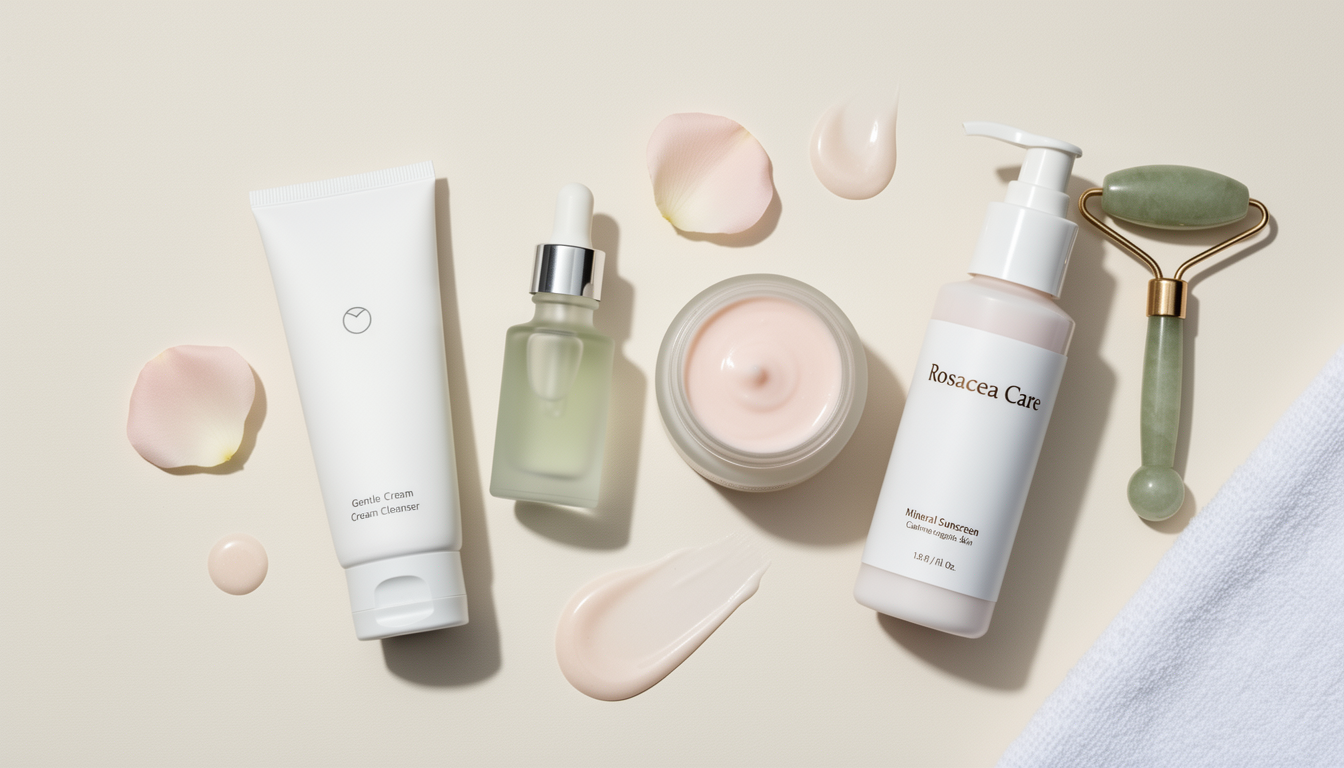
Rosacea is a long-term inflammatory condition marked by persistent facial redness, visible capillaries, and sometimes acne-like bumps. Controlling it usually means using a gentle, regular skincare routine and products made to soothe and repair the skin barrier. Our carefully selected list focuses on products known to ease irritation and help prevent flare-ups.
1. EMUAIDMAX First Aid Ointment
EMUAIDMAX First Aid Ointment is a homeopathic topical formulated to treat a variety of skin issues, rosacea among them. This advanced formula combines natural healing components with a proprietary transdermal delivery system intended to calm irritation and lower inflammation quickly. Many users report noticeable decreases in redness, bumps, itching, and flaking after consistent application for several days.
Key ingredients include Argentum Metallicum (colloidal silver), valued for its antibacterial and antimicrobial actions, alongside Emu Oil and Tea Tree Leaf Oil for their anti-inflammatory and antiseptic qualities. The ointment is non-steroidal and made without common chemicals, formulated for sensitive skin and not widely associated with side effects. It is designed to penetrate deeply, help fight infection, speed healing, and restore a healthier skin state. EMUAIDMAX is also used for conditions like eczema, shingles, and dermatitis.
2. La Roche-Posay Toleriane Double Repair Face Moisturizer
The La Roche-Posay Toleriane Double Repair Face Moisturizer is often recommended for sensitive and rosacea-prone skin. This lightweight moisturizer focuses on reinforcing the skin barrier and restoring moisture, both important for managing rosacea. It contains ceramides to strengthen the barrier and niacinamide to soothe and reduce redness.
Glycerin provides lasting hydration, making it useful throughout the year. Dermatologists praise its ability to calm inflammation and prevent the dryness and flaking that can worsen rosacea. It’s generally regarded as a gentle option that avoids common irritants such as parabens, oil, and fragrance.
3. The Ordinary Azelaic Acid Suspension 10%
The Ordinary Azelaic Acid Suspension 10% is favored for rosacea because it targets redness, inflammation, and blemishes. Azelaic acid reduces inflammation, smooths bumps, and can limit bacterial growth on the skin. This oil-free formula also helps brighten skin and fade dark spots and post-inflammatory marks linked to rosacea.
Dermatologists often recommend azelaic acid for its multiple benefits, making this product an accessible and effective option for several rosacea concerns. Its mild exfoliating effect evens texture without typically causing significant irritation.
4. Avène Cicalfate+ Restorative Protective Cream
Avène Cicalfate+ Restorative Protective Cream is a dermatologist-endorsed option known for nourishing and speeding skin recovery. It works well for sensitive, irritated skin, including skin affected by rosacea. The formula features a postbiotic restorative ingredient, C+Restore, which supports the barrier and helps shield the skin from external stressors.
This rich but non-comedogenic cream helps lock in hydration and promotes a balanced skin microbiome for faster healing. Users report reduced redness and calmer skin, and it can be used as an overnight mask on very dry or inflamed areas. It’s gentle enough for infants, children, and adults and is formulated without fragrance, parabens, sulfates, alcohol, or silicones.
5. CeraVe Hydrating Facial Cleanser
The CeraVe Hydrating Facial Cleanser is a go-to for people with rosacea and sensitive skin because it cleanses without stripping moisture. It’s designed to preserve the skin’s natural barrier, which is essential when managing rosacea. The formula contains ceramides, hyaluronic acid, and glycerin to restore and maintain hydration while supporting the barrier.
Its creamy, non-foaming texture suits easily irritated skin and it’s free of fragrance, parabens, and soap—common rosacea triggers. CeraVe’s MVE Delivery Technology provides a gradual release of moisturizers for sustained hydration, and the product has earned the National Eczema Association Seal of Acceptance for its suitability for very sensitive skin.
6. Skinfix Barrier+ Triple Lipid-Peptide Cream
The Skinfix Barrier+ Triple Lipid-Peptide Cream is praised for repairing the skin barrier, an important goal for rosacea-prone skin. Clinical data suggest it helps reinforce the barrier quickly, which can lessen redness and irritation. The cream blends lipids, peptides, hyaluronic acid, glycerin, and shea butter to restore the skin’s protective functions.
Some people with severely compromised barriers or particular sensitivities report an initial burning sensation, so patch testing is wise. For many users, it provides visible plumping and improved texture while delivering deep hydration in a rich but non-greasy formula.
7. Paula's Choice Clinical 0.3% Retinol + 2% Bakuchiol Treatment
Because traditional retinoids can aggravate rosacea, Paula's Choice Clinical 0.3% Retinol + 2% Bakuchiol Treatment is positioned as a milder alternative for texture and aging concerns. Bakuchiol offers retinol-like benefits—such as promoting cell turnover—while generally causing less irritation. The blend of low-dose retinol and bakuchiol makes this product an option for many with sensitive, rosacea-prone skin.
People with rosacea report improvements in rough texture and overall clarity when they use it alongside a soothing moisturizer. It delivers anti-aging effects with lower risk of flare-ups, though individual reactions vary, so a patch test is recommended.
8. La Roche-Posay Cicaplast Baume B5
La Roche-Posay Cicaplast Baume B5 is a versatile restorative balm known for calming and repairing irritated skin, making it useful during rosacea flare-ups. This thick, creamy balm aims to restore the skin barrier and provide relief for dry, dehydrated, or inflamed areas.
Typical actives include Panthenol (Vitamin B5) to support recovery and Madecassoside for its anti-inflammatory effects. The balm can reduce sensitivity and is gentle enough for use on babies. Although its dense texture may leave a slight residue for some, its calming and reparative benefits make it a go-to for many people with rosacea.
9. Cetaphil Redness Relieving Night Moisturizer
The Cetaphil Redness Relieving Night Moisturizer is formulated to tackle the redness and sensitivity that often accompany rosacea, working while you sleep. This nourishing night cream aims to lessen visible redness, soothe the skin, and support the barrier function. It provides sustained hydration to ease the dryness and discomfort common with rosacea.
Many dermatologists recommend Cetaphil’s Redness Relief line for reactive skin because of its gentle formulations. This night moisturizer avoids fragrance and other common irritants, helping the skin recover and strengthen overnight and making it a useful part of an evening routine.
Key Takeaways
- Choose gentle, fragrance-free products that won’t irritate rosacea-prone skin.
- Look for ingredients such as ceramides, niacinamide, azelaic acid, and soothing emollients to calm redness and rebuild the barrier.
- Stick to a consistent skincare routine to help control symptoms and reduce flare-ups.
- Consider products with anti-inflammatory or antimicrobial properties to address different facets of rosacea.
- Always patch test new products to check for reactions on sensitive skin.
FAQ
What ingredients should I avoid if I have rosacea?
People with rosacea often do best avoiding alcohol-based toners, witch hazel, harsh physical exfoliants, strong retinoids unless they’re formulated for sensitive skin, salicylic acid, glycolic acid, and fragrances, since these can trigger flare-ups and worsen irritation.
How often should I cleanse my face if I have rosacea?
Generally, cleansing twice a day—morning and night—with a mild, hydrating cleanser is recommended. Over-cleansing or using harsh products can strip natural oils and aggravate rosacea.
Can diet affect my rosacea symptoms?
Yes—what you eat and drink can influence rosacea. Common triggers include spicy foods, hot drinks, alcohol (especially red wine), and sometimes certain dairy or histamine-rich foods. Identifying and avoiding your own triggers can help reduce flare-ups.
Managing rosacea takes time and attention: learning how your skin reacts and consistently using supportive products can reduce redness and discomfort. Adding these proven options to your routine may help, but see a dermatologist for a tailored plan or if symptoms are severe or persistent.